
Before You Move In: Why Electrical Safety Checks Matter
A New Property Deserves a Safety Check
A building can look polished and well maintained while concealing electrical problems. Damaged wiring, overloaded circuits, poor earthing or an outdated distribution board may not be obvious during a routine viewing. Yet these issues can increase the risk of electric shock, fire, equipment damage and unexpected repair costs.
Whether you are buying, renting or preparing to occupy a home, office or commercial premises, arrange a professional electrical inspection before moving in. A qualified assessment gives you a clearer picture of the installation’s condition and helps identify problems that should be addressed before the property is in regular use.
What an Electrical Assessment Covers
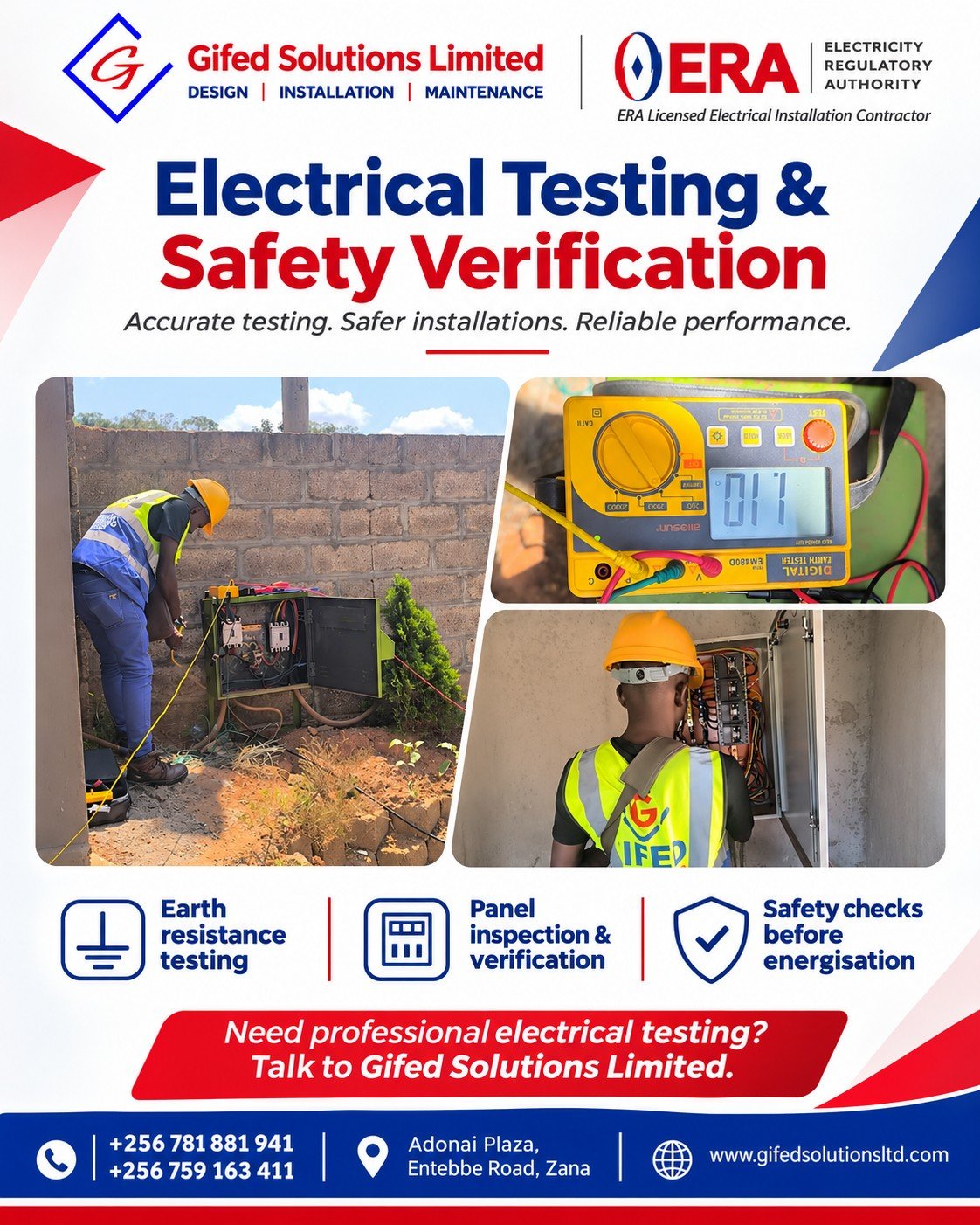
An inspection typically considers the visible condition and safety of wiring, distribution boards, sockets, switches and lighting circuits. The assessor may also check earthing arrangements, protective devices and whether the electrical system is suitable for the property’s expected demand.
Testing can reveal faults that a visual check alone may miss. Examples include inadequate protection, unsafe connections, deteriorated components and circuits carrying more load than they are designed to handle. The findings can help distinguish urgent safety concerns from issues that may need monitoring or planned improvement.
Why Timing Matters
Arranging an assessment before occupation gives owners, landlords, tenants and facility managers an opportunity to make informed decisions. If repairs are required, they can be planned before people depend on the installation every day. For buyers and renters, a written report can also clarify the property’s electrical condition and support discussions about necessary work.
Inspections are useful not only when moving into a property. Changes such as renovations, new equipment or increased occupancy can affect electrical demand, making periodic checks a sensible part of property maintenance.
Choose Qualified Professionals
Electrical testing should be carried out by competent professionals using appropriate methods and equipment. Ask for a clear report explaining any defects, their level of concern and recommended next steps. Avoid attempting electrical repairs yourself; corrective work should be completed by a qualified electrician.
A professional electrical installation condition assessment is a practical step toward safer, more reliable premises. Before settling in, look beyond the building’s appearance and make sure its electrical systems have been checked.