
The Essential Role of Generators: More Than Just Backup Power
Introduction to Generators: An Overlooked Asset
Generators are often perceived as mere backup systems that provide power when the primary source fails. This conventional viewpoint overlooks the critical role that generators play in various sectors. Facilities such as hospitals, data centers, and manufacturing plants rely on continuous power supply to maintain operations and ensure safety. In these environments, generators are not just emergency equipment; they are essential power assets that support seamless functionality.
In hospitals, where the uninterrupted operation of life-support systems is crucial, a generator serves as a lifeline during outages. A brief lapse in power could endanger patients. Therefore, hospitals invest significantly in generators to guarantee that critical operations can proceed without interruption. This proactive approach highlights the importance of generators not merely as backups but as integral components of healthcare infrastructure.
Similarly, data centers depend heavily on a constant power supply to operate servers that hold vast amounts of information. Any power disruption could lead to data loss or significant downtime, affecting businesses and customers alike. Generators in this context are vital for data protection and operational resilience. They ensure that systems remain functional, thus preserving the integrity of data and minimizing service interruptions.
In the manufacturing domain, production lines require steady electricity to function efficiently. Generators act as a safeguard against power interruptions that could halt operations and lead to financial losses. The investment in generators, therefore, reflects an understanding of the need for reliability and continuity in production processes.
Overall, it is essential to recognize generators not just as backup power sources but as crucial assets that enable various industries to function effectively. By investing in these power solutions, organizations can ensure their resilience against outages and maintain high operational standards at all times.
Understanding the Importance of Regular Maintenance
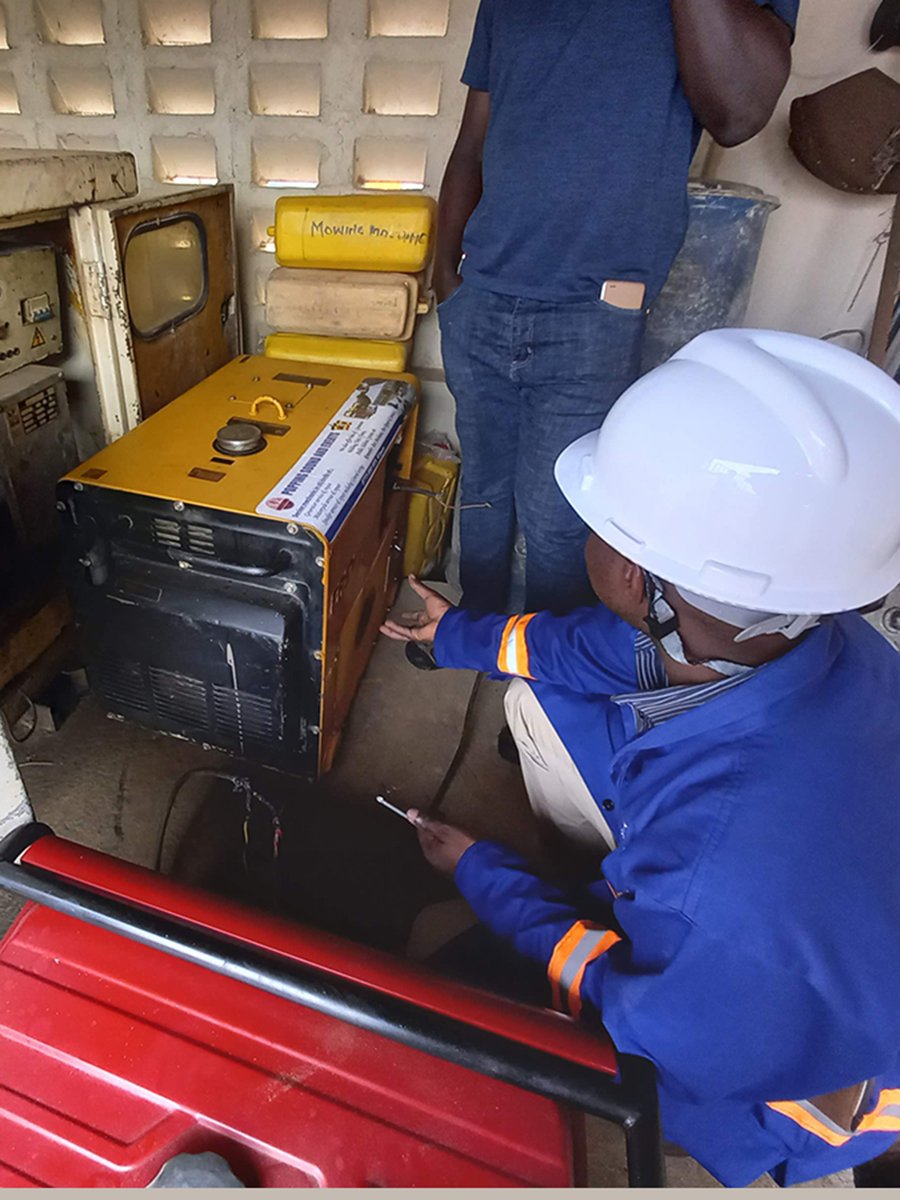
Generators serve a crucial role in many operations, providing a reliable power source when the primary electrical supply is interrupted. However, to ensure that these machines perform optimally and deliver the emergency power needed, regular maintenance is essential. Just like any mechanical system, generators require consistent check-ups and servicing to mitigate potential issues that could render them ineffective during critical times.
One of the most significant repercussions of neglecting generator maintenance is the risk of failure when it is most needed. For example, a manufacturing company experienced a catastrophic loss of production due to a generator that failed under load. Upon investigation, it was revealed that there had been no routine servicing for over a year. Basic maintenance tasks, such as oil changes, coolant checks, and filter replacements, had been overlooked. This oversight led to engine overheating, which resulted in a complete shutdown of their operations for several days, costing the business thousands of dollars in lost revenue.
Scheduled check-ups are essential not only to address wear and tear but also to identify potential issues before they escalate into major problems. During these routine inspections, technicians can conduct tests and assess components, ensuring the generator’s reliability. This proactive approach can be likened to preventive healthcare; just as regular check-ups can help diagnose health issues early, generator maintenance can shield organizations from unexpected failures.
Moreover, proper maintenance significantly extends the lifespan of a generator while also enhancing its efficiency. Investing in maintenance may incur costs but ultimately saves money by avoiding unplanned breakdowns and repairs, and ensuring that the generator remains compliant with safety regulations. Thus, understanding and implementing a regular maintenance schedule is not merely advisable but an indispensable part of generator ownership.
Integration of Generators into Facility Planning
Organizations recognize the need for reliable power supplies to sustain operations; therefore, integrating generators into facility planning is essential for operational resilience. When selecting a generator, it is crucial to assess the load capacity necessary for the facility’s needs. This includes calculating the total wattage required by all essential systems and equipment. A generator’s capacity must align with these demands to avoid overloading and ensure seamless operation during power outages.
Another significant factor to consider is the fuel type. Generators generally operate on diesel, natural gas, or propane, each with distinct advantages and disadvantages. Diesel generators are typically more durable and better suited for higher load requirements, whereas natural gas generators offer cleaner emissions and easier access to fuel in certain locations. The choice of fuel can impact operational costs, environmental compliance, and overall efficiency.
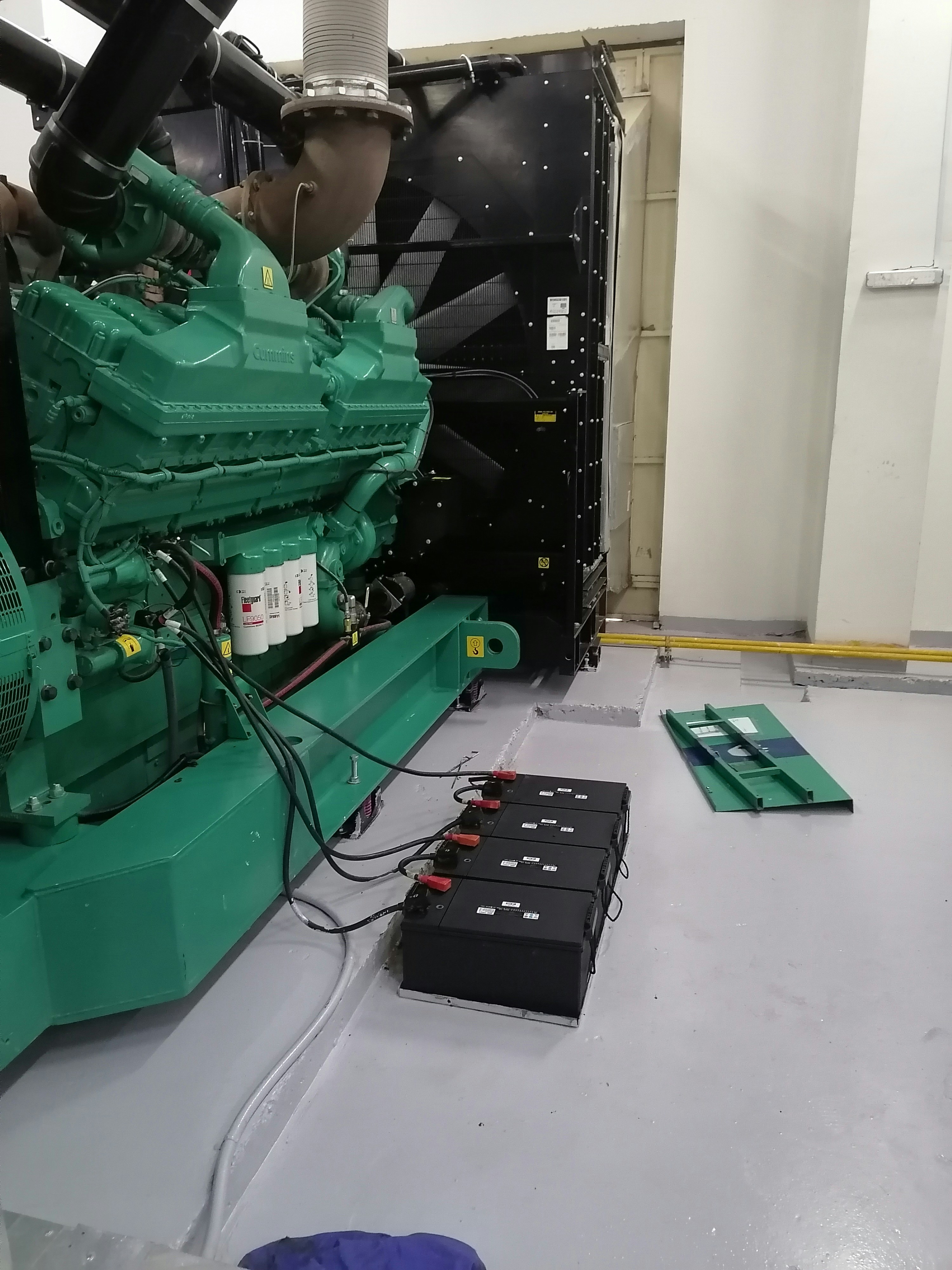
Installation requirements also play a critical role in integrating generators into power management strategies. Organizations must evaluate the physical space available for installation, ensuring adequate ventilation, noise control, and accessibility for maintenance. Additionally, understanding local zoning laws and obtaining necessary permits is essential to avoid legal complications.
Moreover, organizations should not only focus on current power needs but also plan for future expansion. Anticipating growth in operational capacity may necessitate investing in larger or multiple generators. Proactive planning aids in preventing power shortages during critical periods, thereby mitigating potential impacts on business continuity.
Compliance with regulations concerning emissions and safety standards cannot be overlooked. Organizations must ensure that their generators meet relevant local, state, and federal regulations to safeguard against potential penalties. Overall, thorough consideration of load capacity, fuel type, installation logistics, future needs, and regulatory compliance is vital to effectively integrating generators into facility planning.
Preparing for Power Outages: Strategies and Best Practices
Power outages can occur at any time and may lead to significant disruptions. A proactive approach to preparedness can mitigate many of the potential problems associated with unexpected energy failures. One of the first steps in this process is to develop a comprehensive emergency power plan. This plan should outline the specific procedures your organization will follow in the event of a power outage, including how to safely deploy and operate generators, as well as communication strategies for informing staff and customers.
Training staff on generator operation is crucial. It is essential for designated personnel to understand the functionality of the generators and the safety protocols involved in their use. Regular training sessions can help ensure that employees are familiar with the equipment and can confidently respond during an actual power outage. Additionally, conducting regular drills can reinforce this training, ensuring that all staff members know their roles and responsibilities. These simulations should be treated seriously to gauge readiness and identify any areas of improvement in your emergency plan.
Another key aspect of preparedness is ensuring fuel availability. Regularly check fuel levels and establish a reliable supply chain for refueling generators, particularly in anticipation of severe weather events. Assess your organization’s fuel needs and consider establishing agreements with fuel suppliers in advance to avoid delays during emergencies.
Finally, documentation of procedures, training activities, and drills should be recorded for future reference. This can be invaluable for refining your power outage strategy and ensuring all team members remain informed. By taking proactive measures such as these, your organization can be better prepared for any disruptions caused by power outages, ensuring operations can continue with minimal impact.