
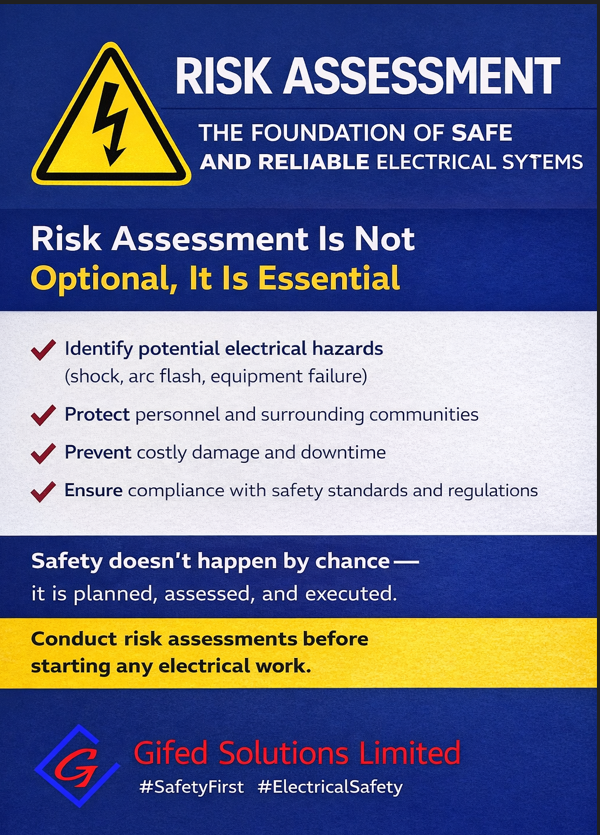
The Importance of Continuous Risk Assessment in Operational Environments
Understanding Risk Assessment
Risk assessment is a systematic process aimed at identifying, evaluating, and prioritizing potential risks that may adversely affect the operations of an organization. These risks can arise from various sources, including operational inefficiencies, economic fluctuations, technological changes, and environmental factors. By understanding risk assessment, organizations can implement strategies to mitigate these risks, ensuring a safer and more efficient operational environment.
In the context of operational environments, risk assessment goes beyond the initial identification of risks. It is a continuous process that must evolve alongside ongoing operations. This continuous nature of risk assessment is vital as it allows organizations to adapt to emerging challenges and unforeseen events. Therefore, organizations must prioritize regular reviews and updates of their risk assessments to reflect changing circumstances and maintain a dynamic approach to safety and efficiency.
Key elements of risk assessment include risk identification, risk analysis, risk evaluation, and risk treatment. The first stage, risk identification, involves detecting any potential risks and understanding their sources and implications. This is followed by risk analysis, which assesses the likelihood and impact of identified risks. Following this, the evaluation stage helps determine whether risks are acceptable or if they require further mitigation strategies. Finally, risk treatment entails implementing measures to reduce, eliminate, or control risks effectively.
The significance of continuous risk assessment in operational environments can hardly be overstated. By regularly updating risk assessments, organizations not only maintain compliance with regulations but also foster a culture of safety and preparedness. This proactive approach to risk management ultimately results in enhanced operational efficiency, reduced costs, and improved stakeholder trust. Thus, the practice of continuous risk assessment is not merely a bureaucratic obligation; it is a critical component of successful operations in today’s dynamic and complex environments.
Understanding the Necessity of Risk Assessment
Conducting a risk assessment before the initiation of any project or task is a critical step in ensuring a safe and efficient working environment. A comprehensive risk assessment helps identify potential hazards that could disrupt project timelines or jeopardize employee safety. By recognizing these hazards early, organizations can better anticipate challenges and implement appropriate strategies to address them.
To successfully evaluate risks, it is essential to employ a systematic approach. Begin by gathering a team of stakeholders with expertise in different areas of the project. This diverse group can offer varying perspectives on potential risks, thus enriching the assessment process. Once the team is assembled, perform a thorough analysis of the work environment, equipment, and any related processes. Consider not only physical hazards, such as machinery, but also environmental factors, such as weather conditions or the proximity of other operations.
After identifying potential hazards, it is crucial to evaluate the risks associated with each. This can be done using a risk matrix, which combines the likelihood of a hazard occurring with the potential impact of that hazard. Prioritize these risks based on their overall significance to the project’s success and safety. Through this evaluation, organizations can determine which risks require immediate attention and which can be monitored during the project lifecycle.
Mitigating identified risks involves establishing control measures. These may include engineering controls, administrative measures, or even personal protective equipment (PPE) as necessary. Documenting these control measures in a risk management plan is imperative. This plan serves as a roadmap, helping teams navigate the complexities of project execution while minimizing risk exposure. By integrating continuous risk assessment into the project management framework, organizations can enhance not only safety but also overall project performance.
Monitoring Risks During Project Execution
The execution phase of any project is inherently dynamic, characterized by evolving conditions and varying risk factors that require diligent management. Continuous risk assessment plays a pivotal role in this phase, ensuring that project teams can monitor these fluctuations effectively. One of the primary reasons for implementing consistent risk evaluations is to recognize emerging challenges that may threaten the project’s objectives. As new conditions unfold, teams must stay vigilant to identify potential risks that were not apparent during the planning stages.
Teams can utilize a range of tools and techniques to facilitate real-time risk monitoring. One of the most effective methods is the implementation of risk dashboards, which aggregate various risk indicators into a user-friendly interface. These dashboards provide project managers with instant visibility into current risk statuses, enabling prompt adjustments to strategies when needed. Moreover, regular risk assessment meetings can serve as forums for discussing potential risks, lessons learned, and best practices for mitigating those risks.
In addition to digital tools, qualitative techniques such as scenario analysis can aid in understanding how various factors might impact project execution. By simulating different scenarios, teams can better grasp the implications of emerging risks and devise adaptive strategies. It is crucial that these assessments are not one-time events but rather integrated into the overall project management framework, allowing for the cultivation of a proactive culture centered on risk awareness. Through consistent monitoring and a willingness to adapt, organizations can ensure that safety and operational efficiency remain paramount, even amidst the programmed complexity of ongoing projects.
Learning from Completed Tasks: Post-Project Risk Review
After the completion of a project, conducting a post-project risk review is essential for enhancing future operations. This phase allows teams to reflect on the successes and challenges faced throughout the project’s lifecycle and to assess the effectiveness of risk management strategies implemented. By identifying what worked well and what did not, organizations can create a valuable repository of lessons learned that inform subsequent risk assessments.
To effectively execute a post-project risk review, stakeholders should gather all relevant project data, including risk registers, performance metrics, and stakeholder feedback. This data serves as a foundation for analyzing how well risks were anticipated and managed, highlighting any unforeseen challenges that arose. Through collaborative discussions, teams can delve into specific incidents, evaluating the appropriateness of the responses enacted and identifying potential improvements in risk communication and decision-making processes.
Another critical component of this review is the emphasis on capturing insights that transcend individual projects. By synthesizing the lessons learned, organizations can enhance their risk management framework as a whole, leading to more robust strategies for future initiatives. Additionally, documenting these insights in a centralized knowledge base ensures that critical information is accessible for future reference, facilitating continuous improvement.
In conclusion, post-project evaluations are not merely an exercise in accountability; they are a strategic opportunity to fortify operations through informed risk management. Effective reviews enable organizations to improve their approach to risk assessment, encouraging a proactive culture that prioritizes learning and adaptability. By adopting a thorough process for post-project reflections, companies can enhance future project outcomes and mitigate risks more effectively.